What Is Cupping Therapy and Why Is It So Popular for Pain Relief?
Why Is Cupping Therapy Gaining So Much Attention?
Cupping therapy has become increasingly popular in recent years, especially among people seeking natural pain relief and faster recovery from muscle tension and injuries. You may have seen athletes with circular marks on their backs or heard about cupping as part of holistic or traditional medicine. While it may look unusual, cupping therapy has been used for centuries and continues to gain recognition for its therapeutic benefits.
At Gardens Wholistic Health Center, patients throughout Palm Beach Gardens use cupping therapy as a complementary treatment for pain relief, muscle recovery, and overall wellness. Understanding how cupping works and what it treats can help you decide if it is right for you.
What Is Cupping Therapy?
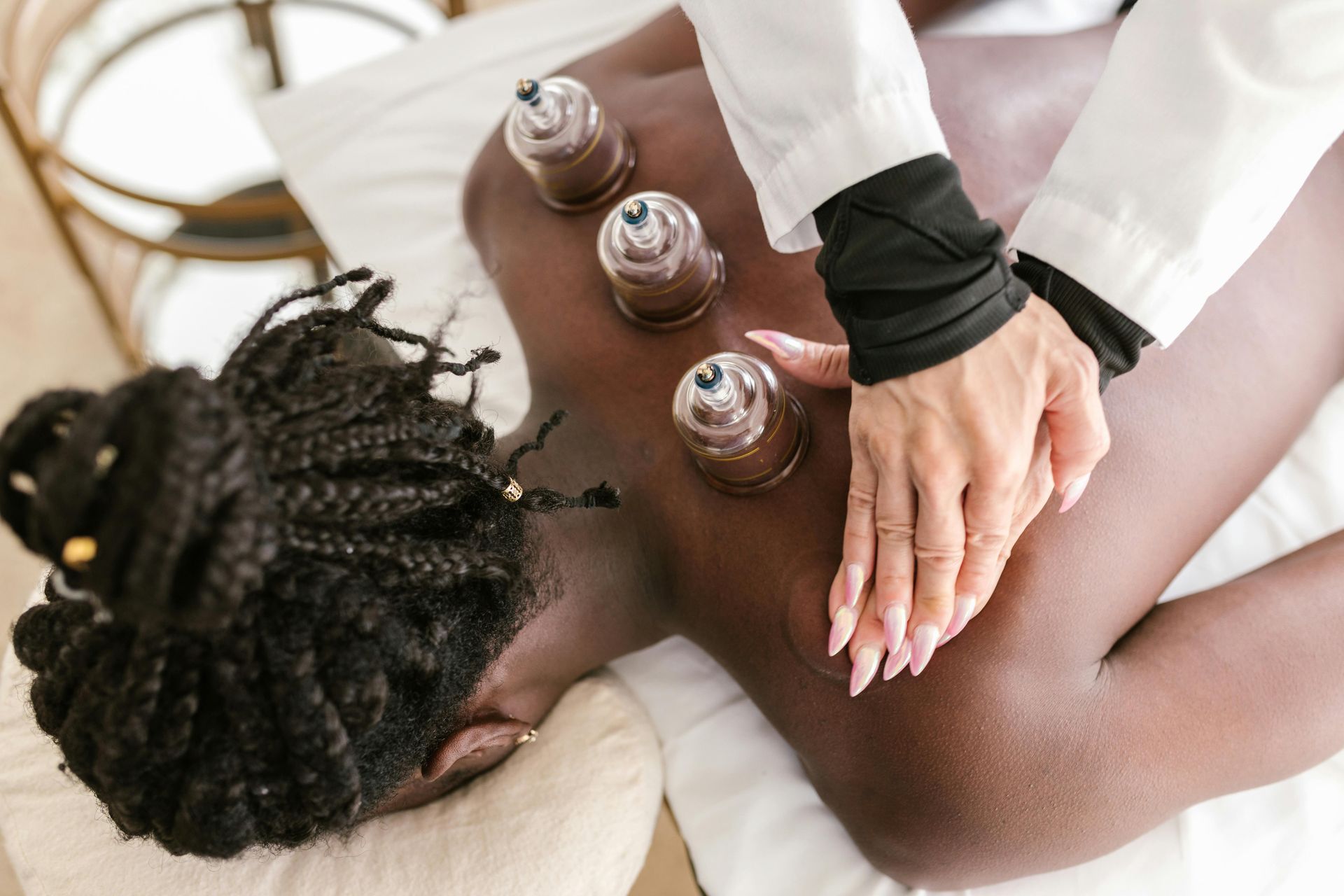
Cupping therapy is a form of bodywork that involves placing specialized cups on the skin to create gentle suction. This suction lifts the skin and underlying tissues, helping to improve circulation, release muscle tension, and encourage the body’s natural healing response.
Cupping is commonly used as part of Traditional Chinese Medicine but is also incorporated into modern integrative and sports medicine practices. The therapy can be applied to various areas of the body, most commonly the back, shoulders, neck, hips, and legs.
How Does Cupping Therapy Work?
Unlike massage, which applies pressure downward into the muscles, cupping works by pulling tissues upward. This lifting action has several important effects on the body.
Cupping therapy works by:
- Increasing blood flow to targeted areas
- Loosening tight muscles and connective tissue
- Reducing inflammation
- Encouraging lymphatic drainage
- Promoting tissue repair
By improving circulation and reducing stagnation, cupping helps the body deliver oxygen and nutrients to affected tissues while removing metabolic waste that contributes to pain and stiffness.
Types of Cupping Therapy
Dry Cupping
Dry cupping is the most common form of cupping therapy. Cups are placed on the skin and left in position for several minutes to create suction. This method is effective for muscle tension, pain relief, and general relaxation.
Moving Cupping
In moving cupping, oil is applied to the skin and the cups are gently moved across the area. This technique is often used for larger muscle groups and can feel similar to deep tissue massage.
Wet Cupping
Wet cupping involves making a very small incision before applying suction. This method is less commonly used in clinical settings and is not typically necessary for pain relief or wellness care.
At Gardens Wholistic Health Center, cupping therapy is selected and applied based on individual needs and comfort levels.
Conditions Commonly Treated with Cupping Therapy
Muscle Pain and Tension
Cupping is especially effective for tight, sore muscles caused by stress, overuse, or poor posture. The suction helps relax muscle fibers and improve flexibility.
Back, Neck, and Shoulder Pain
Many patients seek cupping therapy for chronic tension in the back, neck, and shoulders. These areas often respond well to increased circulation and muscle release.
Sports Injuries and Recovery
Athletes and active individuals use cupping to support recovery from:
- Muscle strains
- Overuse injuries
- Post-workout soreness
- Limited mobility
Cupping can help reduce recovery time and improve performance when used as part of a comprehensive care plan.
Joint Stiffness
While cupping is applied to soft tissues, it can also help reduce stiffness around joints by improving circulation and reducing surrounding muscle tension.
Why Is Cupping Therapy So Popular for Pain Relief?
Cupping therapy offers several advantages that make it appealing to people seeking natural pain management.
Key reasons for its popularity include:
- Drug-free pain relief
- Non-invasive treatment
- Quick sessions with noticeable effects
- Can be combined with other therapies
- Supports long-term healing
Many patients experience relief after just one session, while others notice cumulative benefits with regular care.
What Does Cupping Therapy Feel Like?
Cupping therapy feels very different from massage. Most patients describe the sensation as:
- Tightness
- Gentle pulling
- Pressure without pain
The sensation should never be painful. Treatments are adjusted to ensure comfort throughout the session. Many patients find cupping deeply relaxing once they become accustomed to the feeling.
What Are the Circular Marks from Cupping?
One of the most recognizable aspects of cupping therapy is the circular marks it can leave on the skin. These marks are not bruises but are caused by increased blood flow to the area.
Important things to know:
- Marks are temporary
- They typically fade within a few days to a week
- They indicate circulation and tissue response, not injury
- Intensity varies by individual and condition
Patients can request lighter suction if they are concerned about marks.
How Long Does a Cupping Therapy Session Last?
A typical cupping session lasts between 10 and 30 minutes, depending on the area treated and the goals of care. Cupping is often used alongside acupuncture or chiropractic care to enhance results.
How Many Cupping Sessions Are Needed?
The number of sessions depends on:
- Severity of pain or tension
- Chronic versus acute condition
- Activity level
- Overall health
Some patients experience immediate relief, while chronic conditions often benefit from ongoing sessions spaced over time.
Is Cupping Therapy Safe?
When performed by trained professionals, cupping therapy is considered very safe.
Safety considerations include:
- Clean, professional-grade cups
- Careful monitoring of suction levels
- Individualized treatment plans
- Clear aftercare instructions
Side effects are minimal and may include mild soreness or temporary skin discoloration.
Cupping Therapy vs Massage for Pain Relief
Both cupping and massage can relieve muscle tension, but they work differently.
Cupping therapy:
- Lifts tissue upward
- Improves circulation deeply
- Targets stubborn muscle knots
Massage therapy:
- Applies pressure downward
- Relaxes surface muscles
- Promotes relaxation
Many patients find that combining cupping with massage, acupuncture, or chiropractic care provides the most comprehensive relief.
Who Should Consider Cupping Therapy?
Cupping therapy may be a good option if you:
- Experience chronic muscle tension
- Have pain that does not respond to massage alone
- Are recovering from sports or repetitive strain injuries
- Prefer natural, non-invasive treatments
- Want to support circulation and healing
A professional evaluation will determine whether cupping is appropriate for your specific needs.
Why Choose Cupping Therapy in Palm Beach Gardens?
Receiving cupping therapy from a local provider ensures:
- Personalized treatment
- Care coordinated with other therapies
- Convenient scheduling
- Ongoing progress monitoring
Gardens Wholistic Health Center has been serving the Palm Beach Gardens community since 2014, offering trusted holistic care for pain relief and wellness.
Frequently Asked Questions About Cupping Therapy
Does cupping therapy hurt?
No. The sensation is typically pressure or pulling, not pain.
How long do cupping marks last?
Most marks fade within a few days to one week.
Can cupping be combined with acupuncture?
Yes. Combining therapies often enhances results.
Is cupping therapy covered by insurance?
Coverage varies. Contact the office directly for details.
Schedule a Cupping Therapy Session in Palm Beach Gardens
If muscle pain, tension, or slow recovery is affecting your daily life, cupping therapy may help restore comfort and mobility naturally.
Call (561) 439-6644 today to schedule an appointment with Gardens Wholistic Health Center and experience the benefits of cupping therapy for yourself.
Recent Posts