
The Connection Between Stress and Chronic Pain: Understanding the Mind-Body Relationship
The Connection Between Stress and Chronic Pain: Understanding the Mind-Body Relationship
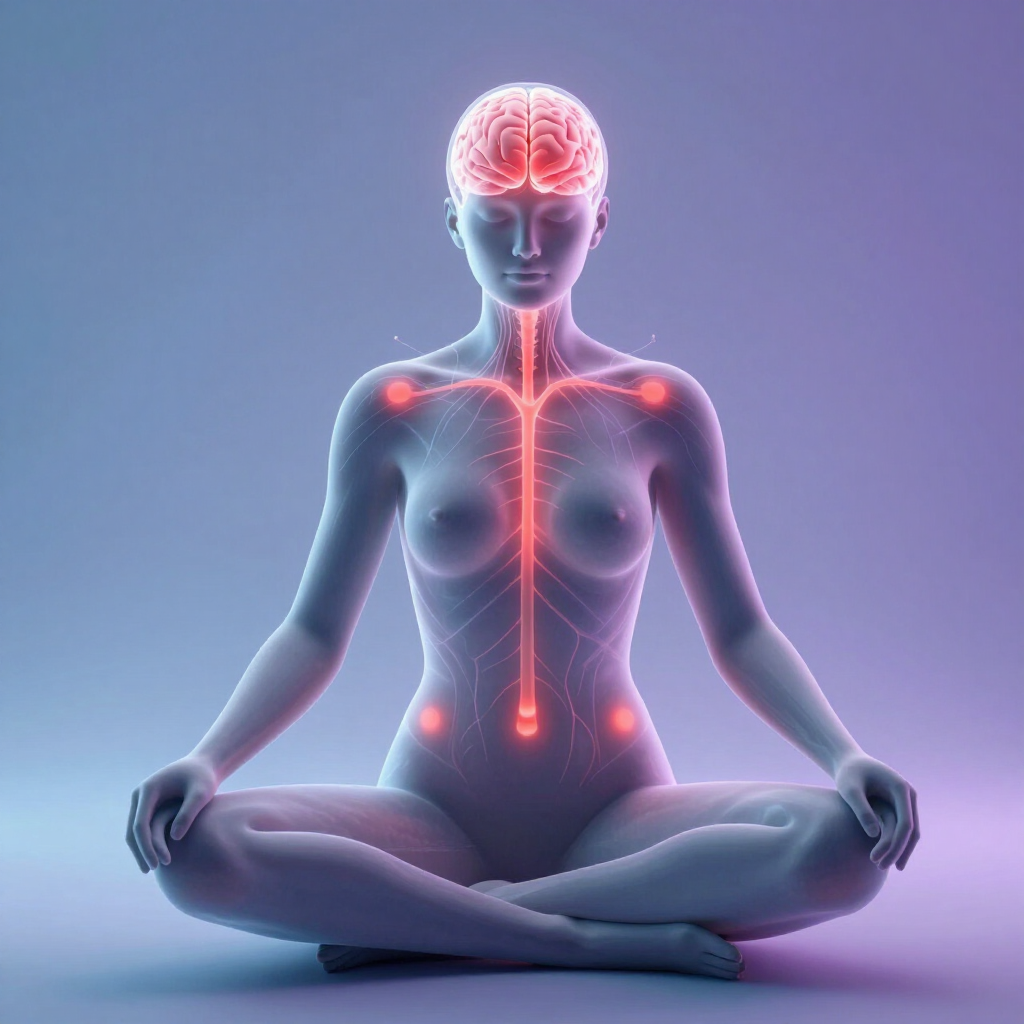
Stress is an unavoidable part of life, but when it becomes chronic, it can have a profound impact on both your physical and emotional health. While many people recognize stress as a cause of anxiety or fatigue, fewer realize that it can also contribute to persistent pain throughout the body. In fact, chronic stress and chronic pain often reinforce one another, creating a cycle that can be difficult to break without addressing both issues simultaneously.
If you've ever noticed that your neck tightens during a stressful week, your headaches become more frequent before a major deadline, or your back pain worsens during emotionally challenging times, you've experienced the powerful connection between the mind and body.
At Gardens Wholistic Health Center in Palm Beach Gardens, Dr. Bill Price takes a comprehensive approach to patient care by addressing not only physical symptoms but also the lifestyle and stress-related factors that may contribute to ongoing discomfort. Through acupuncture, chiropractic care, lifestyle counseling, and other holistic therapies, patients receive individualized care designed to support lasting wellness.
What Is Chronic Stress?
Stress is your body's natural response to challenges or perceived threats. In short bursts, it can be beneficial, helping you stay alert and react quickly in demanding situations. However, when stress becomes constant, it places significant strain on nearly every system in the body.
Chronic stress may result from:
- Demanding work schedules
- Financial concerns
- Family responsibilities
- Caregiving
- Chronic illness
- Poor sleep
- Relationship challenges
- Major life changes
Unlike short-term stress, chronic stress keeps the body's stress response activated for extended periods, making it more difficult for the body to recover and heal.
How Stress Affects the Body
When you're under stress, your brain signals the release of hormones such as cortisol and adrenaline. These hormones prepare your body for immediate action by increasing heart rate, raising blood pressure, and tightening muscles.
While this response is useful during emergencies, remaining in this heightened state for weeks or months can contribute to numerous health problems.
Long-term stress may lead to:
- Persistent muscle tension
- Increased inflammation
- Headaches
- Digestive issues
- Fatigue
- Reduced immune function
- Difficulty sleeping
- Increased sensitivity to pain
Over time, these changes can make existing pain conditions worse or contribute to the development of new ones.
Understanding Chronic Pain
Pain that lasts for more than three months is generally considered chronic. Unlike acute pain, which serves as a warning signal after an injury, chronic pain may continue even after tissues have healed.
Common chronic pain conditions include:
- Lower back pain
- Neck pain
- Arthritis
- Fibromyalgia
- Sciatica
- Migraines
- Shoulder pain
- Joint pain
Living with ongoing pain can affect nearly every aspect of daily life, including work performance, exercise, relationships, and emotional well-being.
How Stress and Chronic Pain Create a Cycle
Stress and chronic pain often feed into one another.
For example:
- Pain makes it difficult to sleep.
- Poor sleep increases stress.
- Stress causes muscles to tighten.
- Muscle tension increases pain.
- Increased pain leads to greater emotional distress.
- Without intervention, this cycle may continue indefinitely.
Fortunately, addressing both physical discomfort and stress simultaneously may help interrupt this pattern.
The Role of Muscle Tension
One of the most immediate effects of stress is muscle tension.
Many people unconsciously tighten their:
- Neck
- Shoulders
- Jaw
- Upper back
- Lower back
When muscles remain contracted for extended periods, they receive less blood flow and oxygen, increasing soreness and stiffness.
Over time, chronic muscle tension may contribute to:
- Tension headaches
- Neck pain
- Shoulder pain
- Back pain
- Limited mobility
Acupuncture and chiropractic care often work together to relieve muscle tightness while improving movement and comfort.
The Nervous System's Role in Pain
Pain isn't determined solely by injured tissues.
The nervous system also plays a significant role in how pain is experienced.
Under prolonged stress, the nervous system may become more sensitive, causing pain signals to become amplified.
This phenomenon, sometimes called central sensitization, means that everyday movements or minor discomforts may feel much more painful than they otherwise would.
Helping calm the nervous system is often an important part of managing chronic pain successfully.
How Acupuncture May Help
Acupuncture has been used for centuries to promote balance within the body.
Modern research suggests acupuncture may support patients dealing with both chronic pain and stress by influencing several physiological systems.
Potential benefits include:
- Encouraging the release of natural pain-relieving chemicals
- Supporting healthy circulation
- Reducing muscle tension
- Promoting relaxation
- Helping regulate the autonomic nervous system
- Supporting the body's natural healing processes
Many patients describe feeling calmer and more relaxed following treatment, while others notice gradual improvements in both pain levels and overall well-being over a series of visits.
The National Center for Complementary and Integrative Health recognizes acupuncture as a complementary therapy with evidence supporting its use for several chronic pain conditions.
External Resource: https://www.nccih.nih.gov/health/acupuncture-what-you-need-to-know
Chiropractic Care and Stress-Related Pain
Stress frequently affects posture and movement.
People experiencing prolonged stress often:
- Round their shoulders
- Tighten their neck muscles
- Clench their jaw
- Sit for long periods
- Exercise less frequently
These habits may contribute to joint dysfunction and spinal discomfort.
Chiropractic adjustments help restore normal joint motion and spinal alignment, reducing mechanical stress placed on muscles and connective tissues.
Many patients benefit from combining chiropractic care with acupuncture because each therapy addresses different aspects of musculoskeletal health.
Internal Linking Opportunity: Chiropractic Care
Lifestyle Counseling Supports Lasting Results
Reducing stress isn't always as simple as taking a vacation or getting more sleep.
Long-term improvements often require sustainable lifestyle changes.
Lifestyle counseling may help patients develop healthier habits involving:
- Time management
- Physical activity
- Nutrition
- Sleep routines
- Stress management techniques
- Work-life balance
Making small, consistent improvements can have a meaningful impact on both stress levels and chronic pain over time.
Internal Linking Opportunity: Lifestyle Counseling
Nutrition and Inflammation
Nutrition also influences how the body responds to stress.
Highly processed foods, excess sugar, and poor dietary habits may contribute to inflammation, which can worsen chronic pain.
A balanced diet rich in vegetables, fruits, lean proteins, healthy fats, and whole grains supports overall wellness and may help reduce inflammatory processes.
Gardens Wholistic Health Center offers nutrition guidance designed to complement acupuncture and chiropractic care as part of a comprehensive wellness plan.
The Importance of Sleep
Stress and pain often interfere with quality sleep, but poor sleep can also increase pain sensitivity.
Healthy sleep supports:
- Muscle recovery
- Hormone regulation
- Brain function
- Emotional resilience
- Tissue healing
Creating a consistent bedtime routine, limiting evening screen time, and managing stress throughout the day may improve sleep quality and overall health.
Exercise as Part of Pain Management
Many individuals living with chronic pain become less active because movement feels uncomfortable.
However, appropriate physical activity often plays an important role in recovery.
Low-impact exercises may include:
- Walking
- Swimming
- Yoga
- Stretching
- Cycling
Regular movement helps maintain joint mobility, strengthen supporting muscles, improve circulation, and reduce stress.
Before beginning any exercise program, patients with chronic pain should consult their healthcare provider to determine what activities are most appropriate.
Why a Holistic Approach Matters
Because chronic pain has physical, emotional, neurological, and lifestyle components, addressing only one factor may not provide lasting improvement.
A holistic treatment plan considers:
- Physical health
- Emotional well-being
- Nutrition
- Activity level
- Sleep quality
- Stress management
- Medical history
- Individual goals
By looking at the whole person rather than a single symptom, healthcare providers can develop more personalized treatment strategies.
Why Palm Beach Gardens Residents Choose Gardens Wholistic Health Center
Since 2014, Gardens Wholistic Health Center has been committed to helping patients throughout Palm Beach Gardens improve their health naturally.
Dr. Bill Price develops individualized treatment plans that combine evidence-informed holistic therapies with compassionate patient care.
Whether someone is experiencing chronic back pain, neck pain, headaches, stress, sports injuries, or general wellness concerns, patients receive comprehensive care designed to support long-term health.
The clinic proudly serves Palm Beach Gardens, Jupiter, North Palm Beach, Lake Park, West Palm Beach, and surrounding communities.
Frequently Asked Questions
Can stress really cause physical pain?
Yes. Chronic stress often contributes to muscle tension, inflammation, headaches, and increased pain sensitivity, making existing conditions feel worse.
Can acupuncture help reduce stress?
Many patients report feeling deeply relaxed after acupuncture. Research suggests acupuncture may influence the nervous system and support healthy stress regulation.
Is chiropractic care helpful for stress-related muscle tension?
Chiropractic adjustments may improve joint mobility and reduce mechanical strain that contributes to muscle tightness and discomfort.
How long does it take to notice improvement?
Every patient is different. Some individuals notice changes after a few visits, while others benefit from ongoing care depending on their condition and overall health.
Can lifestyle changes improve chronic pain?
Yes. Better sleep, regular exercise, balanced nutrition, stress management, and maintaining a healthy weight can all contribute to improved pain management and overall wellness.
Finding Balance for Better Health
Stress may be an unavoidable part of life, but living with constant pain doesn't have to be. Understanding how emotional and physical health influence one another is an important step toward lasting wellness.
At Gardens Wholistic Health Center, Dr. Bill Price works with patients to identify the underlying factors contributing to chronic pain and develop personalized treatment plans that support healing from multiple angles. Through acupuncture, chiropractic care, nutrition guidance, and lifestyle counseling, patients throughout Palm Beach Gardens have access to comprehensive holistic care designed to help them move more comfortably, manage stress more effectively, and improve their overall quality of life.
Recent Posts