Cupping Therapy vs. Massage Therapy: Which Is Right for You?
If you're looking for ways to relieve muscle tension, manage discomfort, and improve your overall well-being, you may have considered cupping therapy or massage therapy.
Although both treatments focus on soft tissues and relaxation, they use different techniques and may offer different benefits depending on your symptoms and wellness goals.
At Gardens Wholistic Health Center in Palm Beach Gardens, FL, Dr. Bill Price offers cupping therapy as part of a personalized holistic healthcare approach that includes acupuncture, chiropractic care, nutrition counseling, and lifestyle guidance.
Understanding the differences between cupping therapy and massage therapy can help you make a more informed decision about your wellness routine.
What Is Cupping Therapy?
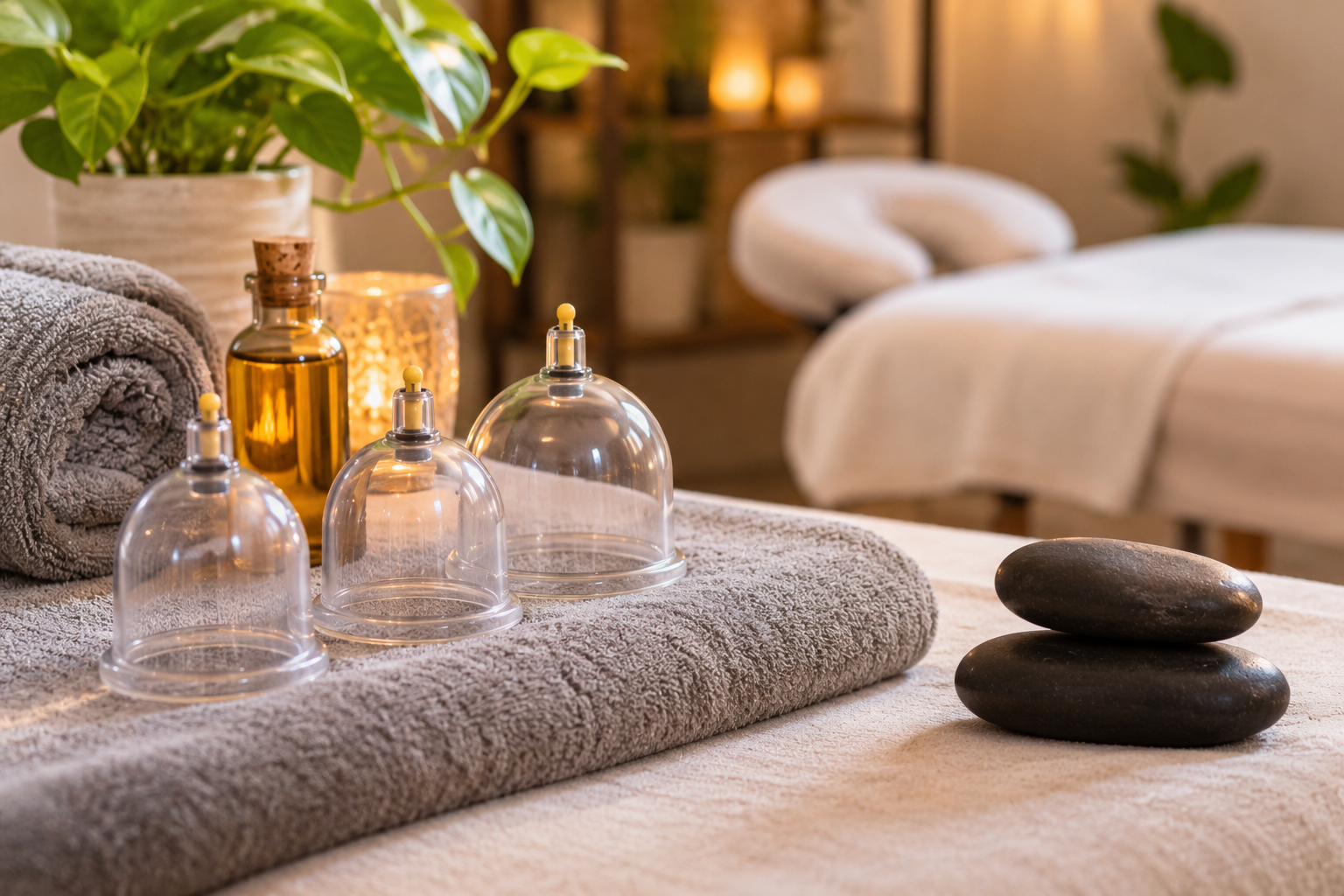
Cupping therapy is a traditional therapeutic technique that uses specialized cups to create suction on the skin.
During treatment, the suction gently lifts the skin and underlying tissues. Unlike massage therapy, which typically applies pressure to muscles, cupping creates a pulling or lifting sensation.
Cupping is commonly incorporated into holistic treatment plans for individuals experiencing muscle tightness, soreness, and stiffness.
Potential Benefits of Cupping Therapy
Although research into cupping therapy is ongoing, some individuals may experience temporary relief from musculoskeletal discomfort.
Potential benefits include:
- Reduced muscle tension
- Increased local blood flow
- Temporary relief from soreness and stiffness
- Improved soft tissue mobility
- Relaxation
- Support for physical recovery
Individual results vary, and evidence supporting some proposed benefits remains limited.
Temporary circular marks may appear after treatment and generally fade within several days to two weeks.
What Is Massage Therapy?
Massage therapy involves the manual manipulation of muscles and soft tissues using different pressure and movement techniques.
Massage therapists may use their hands, forearms, elbows, or specialized tools depending on the treatment approach.
Common types of massage include:
- Swedish massage
- Deep tissue massage
- Sports massage
- Trigger point therapy
- Myofascial release
- Prenatal massage
Massage therapy is often used to promote relaxation, manage muscle soreness, and reduce everyday tension.
Similarities Between Cupping Therapy and Massage Therapy
Although cupping and massage use different techniques, they share several common wellness goals.
Both therapies may help:
- Reduce muscle tightness
- Promote relaxation
- Temporarily relieve muscle soreness
- Support comfortable movement
- Complement physical recovery routines
- Enhance overall well-being
The effectiveness of either treatment depends on the individual's health, symptoms, and treatment goals.
Key Differences Between Cupping Therapy and Massage Therapy
Direction of Pressure
Massage therapy generally applies pressure to muscles and soft tissues.
Cupping therapy uses suction to gently lift the skin and underlying tissues.
Some individuals who find deep tissue massage uncomfortable may prefer the different sensation of cupping.
Treatment Focus
Massage therapy is commonly associated with relaxation, stress management, and muscle tension relief.
Cupping therapy is often incorporated into treatment plans addressing localized muscle tightness, stiffness, and musculoskeletal discomfort.
Treatment Sensation
Massage involves hands-on pressure and movement, while cupping creates a pulling sensation.
Comfort levels vary depending on the individual, treatment area, and intensity of the technique.
Temporary Skin Marks
Massage therapy does not typically leave circular skin marks.
Cupping frequently produces temporary discoloration caused by suction affecting small blood vessels near the skin's surface.
These marks generally fade naturally over time.
When Should You Consider Cupping Therapy?
Cupping therapy may be considered as a complementary treatment for individuals experiencing:
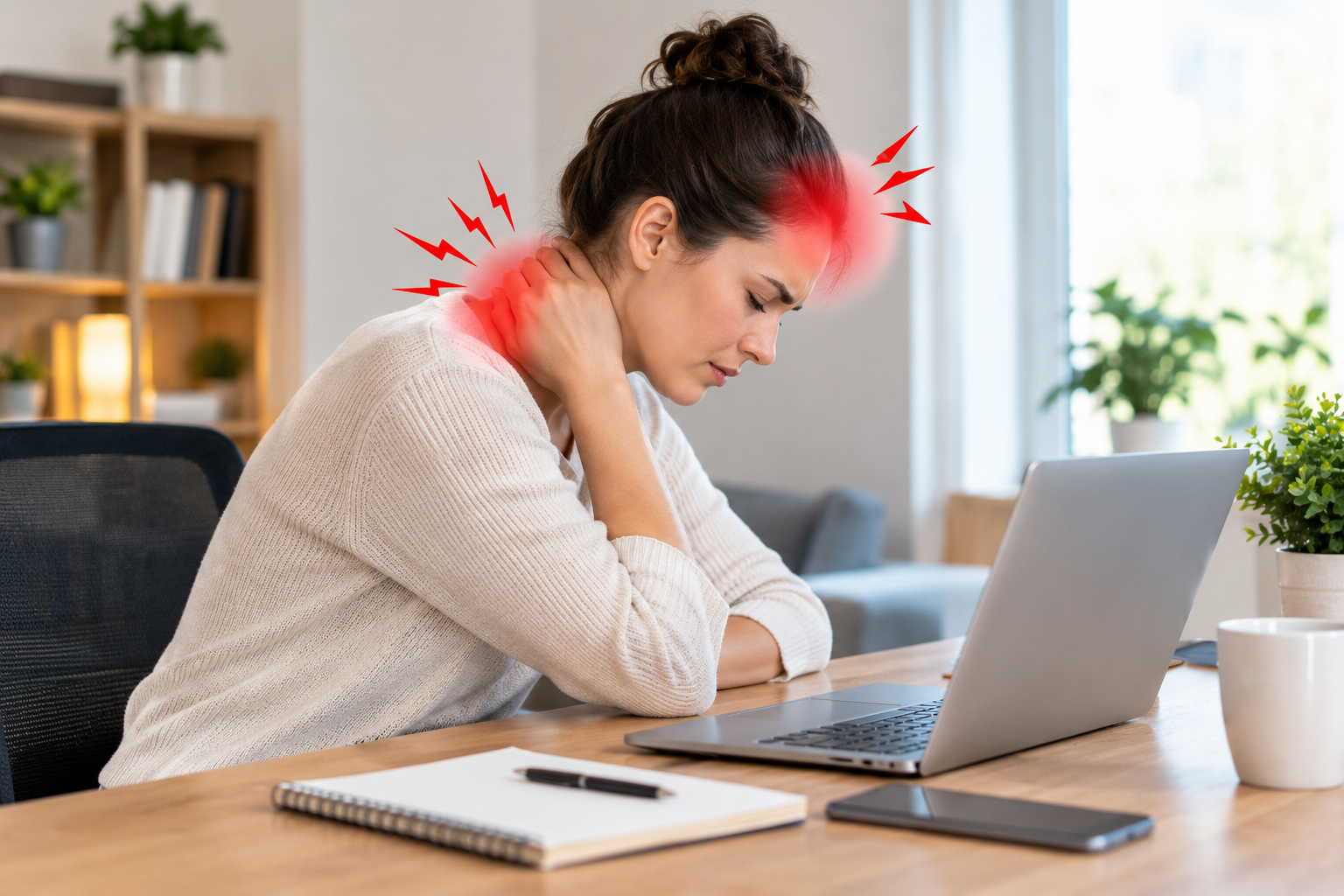
- Neck discomfort
- Shoulder tightness
- Back pain
- Muscle stiffness
- Myofascial tension
- General muscle soreness
- Exercise-related discomfort
- Limited mobility
Some athletes also incorporate cupping into their recovery routines.
However, cupping is not a substitute for appropriate medical evaluation or treatment of an underlying injury or health condition.
A healthcare provider can help determine whether cupping is appropriate for your needs.
When Massage Therapy May Be a Better Choice
Massage therapy may be a suitable option for individuals primarily seeking relaxation and relief from everyday muscle tension.
Common reasons for choosing massage include:
- General relaxation
- Stress reduction
- Mild muscle soreness
- Everyday muscle tightness
- Discomfort following travel
- Personal wellness and self-care
Massage techniques can often be adjusted according to individual comfort levels and treatment preferences.
Neither cupping nor massage is universally better. The right approach depends on your symptoms, health history, and wellness goals.
Can Cupping Therapy Be Combined With Acupuncture?
Cupping therapy is frequently used alongside acupuncture as part of an individualized holistic treatment plan.
Acupuncture involves stimulating specific points on the body, while cupping uses suction to target selected areas of soft tissue.
Depending on the individual's condition, these therapies may complement one another in addressing muscle tension and discomfort.
The National Center for Complementary and Integrative Health provides information about acupuncture and its potential benefits for certain chronic pain conditions.
Learn more through the NCCIH acupuncture resource.
At Gardens Wholistic Health Center, Dr. Bill Price evaluates each patient's needs before recommending an appropriate combination of therapies.
Explore our holistic healthcare and acupuncture services.
Can Chiropractic Care Complement Cupping Therapy?
Chiropractic care and cupping therapy address different aspects of musculoskeletal health.
Chiropractic care focuses on spinal and joint function, while cupping targets selected areas of soft tissue.
Depending on your condition, a personalized treatment plan may incorporate both approaches to support:
- Comfortable movement
- Muscle relaxation
- Joint mobility
- Management of soft tissue tension
Treatment recommendations should be based on an individual evaluation.
Learn more about our chiropractic care services in Palm Beach Gardens.
What to Expect During a Cupping Therapy Appointment
At Gardens Wholistic Health Center, treatment begins with an evaluation of your symptoms, health history, and wellness goals.
Initial Evaluation
Dr. Bill Price reviews your concerns and determines whether cupping therapy may be appropriate for your individual needs.
Cup Placement
Specialized cups are positioned on selected areas of the body, creating controlled suction.
Treatment Session
The cups may remain in place for several minutes. Some techniques involve gently moving the cups across lubricated skin, commonly known as gliding cupping.
After Treatment
Temporary circular marks may appear following the session. Some individuals may also experience mild tenderness.
Your provider can explain what to expect and offer appropriate aftercare guidance.
Who Should Avoid Cupping Therapy?
Cupping therapy may not be appropriate for everyone.
Treatment may need to be avoided, postponed, or modified for individuals with:
- Open wounds
- Active skin infections
- Certain bleeding disorders
- Severe sunburn
- Certain medical conditions affecting the skin
Cupping can also cause skin irritation, burns, or infections, particularly when performed improperly.
Discuss your medical history and any existing health concerns with your healthcare provider before beginning treatment.
Healthy Habits That Complement Your Wellness Routine
Whether you choose cupping therapy, massage therapy, or another complementary treatment, maintaining healthy daily habits can support overall well-being.
Stay Hydrated
Drink adequate water throughout the day to support normal bodily functions and overall health.
Practice Gentle Movement
Appropriate walking and light stretching may help maintain flexibility and comfortable movement.
Prioritize Quality Sleep
Adequate rest supports normal muscle recovery and overall wellness.
Maintain a Balanced Diet
Nutritious foods provide essential nutrients that support general health and normal recovery processes.
Manage Everyday Stress
Relaxation techniques and appropriate physical activity may help manage stress-related muscle tension.
These habits can complement your personalized wellness plan without replacing necessary medical care.
Why Choose Gardens Wholistic Health Center in Palm Beach Gardens?
Since 2014, Gardens Wholistic Health Center has provided personalized holistic healthcare to patients throughout Palm Beach Gardens and surrounding communities.
Dr. Bill Price develops individualized treatment plans based on each patient's symptoms, health history, lifestyle, and wellness goals.
Available services include:
- Cupping therapy
- Acupuncture
- Chiropractic care
- Nutrition counseling
- Lifestyle counseling
- Weight management
Our approach focuses on understanding each patient's individual needs and identifying appropriate treatment options to support overall health and well-being.
We serve patients from Palm Beach Gardens, Jupiter, North Palm Beach, Lake Park, West Palm Beach, and surrounding communities.
Frequently Asked Questions
Does cupping therapy hurt?
Cupping generally creates a pulling or tightening sensation. Some individuals find it relaxing, while others may experience mild discomfort or tenderness. Tell your provider if treatment becomes painful.
Why does cupping therapy leave circular marks?
The suction affects small blood vessels near the skin's surface, resulting in temporary discoloration. These marks generally fade within several days to two weeks.
Is cupping therapy better than massage therapy?
Neither therapy is universally better. Cupping uses suction, while massage typically applies manual pressure. The most appropriate option depends on your symptoms, preferences, and treatment goals.
Can athletes benefit from cupping therapy?
Some athletes use cupping as part of their recovery routines to address muscle tightness and soreness. However, evidence supporting improvements in athletic recovery and performance remains limited.
Can cupping and massage therapy be combined?
They may be incorporated into a broader wellness routine when appropriate. Discuss your health history and treatment schedule with your healthcare provider.
How many cupping therapy sessions will I need?
The number of sessions depends on your symptoms, health history, treatment response, and wellness goals. Dr. Bill Price can recommend an individualized approach following an evaluation.
Discover Personalized Cupping Therapy in Palm Beach Gardens, FL
Understanding the differences between cupping therapy and massage therapy can help you choose an approach that aligns with your personal wellness goals.
Whether you're experiencing muscle tightness, everyday discomfort, or stiffness following physical activity, an individualized evaluation can help identify appropriate treatment options.
At Gardens Wholistic Health Center, Dr. Bill Price offers cupping therapy, acupuncture, chiropractic care, and complementary wellness services tailored to each patient's needs.
We proudly serve Palm Beach Gardens, Jupiter, North Palm Beach, Lake Park, West Palm Beach, and surrounding Florida communities.
Contact Gardens Wholistic Health Center today to discuss your wellness goals and discover whether cupping therapy is right for you.
Recent Posts